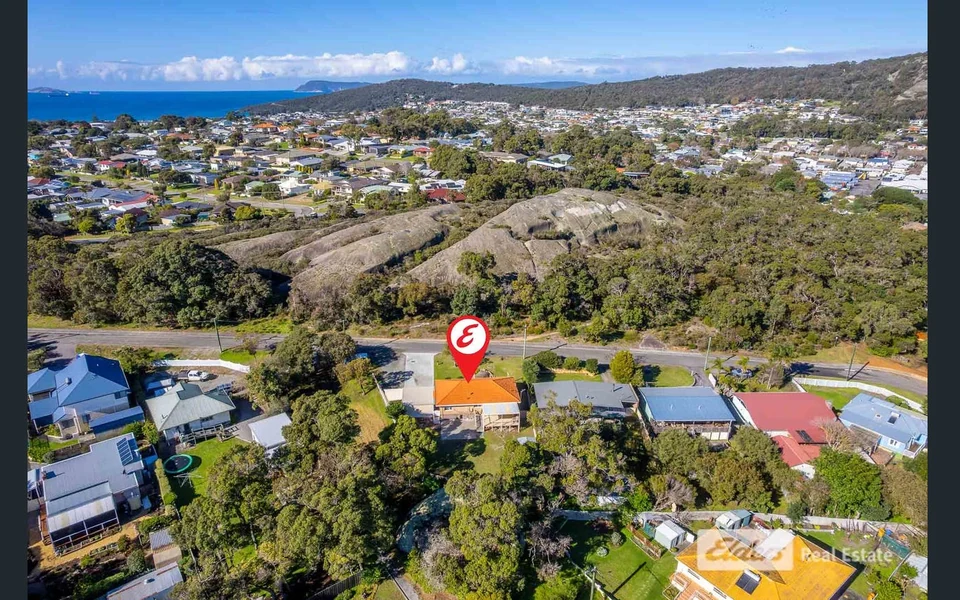


It usually starts with a photo. A verandah with a view. A smaller garden. Enough room for a shed, a few animals and a bit of breathing space. Then the conversation moves to the kitchen table: could we actually make this work?
If you are selling and buying in Albany, your sale price is one part of that answer. What you pay for the next property, the costs along the way and the mortgage you finish with all belong in the same conversation.
The quick answer: Start with a realistic selling range and a realistic purchase budget. Deduct your existing mortgage and selling costs from the sale proceeds. Then allow for buying costs, moving expenses and the cash buffer you want to keep. That shows what you can contribute to the next home and what funding you still need.
What Albany’s changing market means for your move
There is a useful detail in the numbers. REIWA’s 22 September 2026 release, reporting REIA’s June-quarter figures, put the Albany regional centre’s median house sale price at $830,000. That was 2.4% lower than the March quarter and 16.1% higher than the June quarter a year earlier. Both statements can be true.
Those figures cover settled sales in that quarter. They are not October sale prices, a valuation of your home or a result for every suburb in 6330. A median also changes with the mix of properties sold. Read the REIWA release and its data definition.
For a homeowner planning a move, I would bring that broad picture back to two specific properties: the one you own and the type you want to buy. The homes competing with yours may be moving differently from the homes on your shortlist.
Upgrading? Put both prices on the table
Imagine selling for $800,000 and buying for $1.1 million. The difference between the two property prices is $300,000, before costs and your existing mortgage position.
Now imagine both prices were 5% lower. Your sale would bring in $40,000 less, while the next home would cost $55,000 less. The difference would shrink to $285,000.
| Property price | Starting example | Both 5% lower |
|---|---|---|
| Your current home | $800,000 | $760,000 |
| Your next home | $1,100,000 | $1,045,000 |
| Difference before costs | $300,000 | $285,000 |
These are invented prices and a hypothetical percentage change, not Albany forecasts or appraisals. Different properties rarely move in perfect step. The price difference is not the size of your new loan.
The point is to check the whole move. You could negotiate well on your next purchase and still stretch yourself too far once repayments and costs are included. Equally, a lower selling figure may be workable if the right next property fits the total budget.
Downsizing? Work out what you actually release
A smaller home can mean less upkeep and more freedom. It does not automatically mean a large pile of spare cash. A well-positioned smaller property can still carry a substantial price, especially when location, outlook and easy access are high on the wish list.
Here is a fictional move from a $1.1 million property into a $750,000 home, with a $100,000 mortgage to repay:
- Sale proceeds
- $1,100,000
- Existing mortgage repaid
- − $100,000
- Selling costs allowance
- − $35,000
- Next home purchase
- − $750,000
- Buying and moving costs allowance
- − $40,000
- Cash left in this example
- $175,000
Illustration only. The allowances are not fee quotes or calculated duty amounts. Replace them with your own written quotes and any applicable tax or other deductions. This example assumes the next home is bought without a new loan.
That is why I like doing this exercise early. You can decide whether the move gives you the home, freedom and financial breathing room you actually want. If retirement income, super or pension entitlements form part of the plan, have your financial adviser check that side before committing.
Compare the Albany homes you would really move between
“Albany property” covers very different lifestyles. Your comparison needs to follow the home and the way you want to live.
- McKail and Bayonet Head: if your shortlist is family homes, compare bedrooms, usable living space, block layout, garaging and condition. A large shed and a generous block should be assessed alongside the house itself.
- Spencer Park and Mira Mar: look at the actual street, slope, access, renovation work and outlook. A renovated home and a project around the corner can involve very different total spending.
- Middleton Beach and Emu Point: if the coastal lifestyle is the goal, compare the specific position, walking access, maintenance and any strata costs where applicable.
- Warrenup, Kalgan and Marbelup: for a lifestyle move, include water, fencing, sheds, land management, access and ongoing upkeep. The paddock in the photo comes with a few jobs attached.
These are comparison prompts, not suburb price rankings. Start with recent comparable sales and the properties you can actually buy now. My Spencer Park, McKail and Bayonet Head guides are useful introductions; a current appraisal brings the discussion back to your property.
The costs to include before you fall in love
A sensible moving budget covers the sale, the purchase and the weeks in between.
- Selling: the agreed agency fee, marketing if charged separately, preparation, settlement fees and any lender discharge or break costs. Where marketing is included in the fee, count it once.
- Buying: transfer duty, settlement and registration costs, agreed inspections and any loan establishment or mortgage insurance costs that apply.
- The handover: removalists, storage, temporary accommodation, overlapping ownership costs and any work needed before moving in.
- Life afterwards: repayments, insurance, rates, utilities, maintenance and an emergency buffer.
Use the Albany selling-cost guide and commission calculator to start the selling side. For the purchase, try the WA stamp duty calculator, then confirm the amount for your circumstances with RevenueWA and your settlement agent. ASIC’s Moneysmart buying guide also covers budgeting for purchase and ongoing costs.
Decide the order before the perfect home appears
Selling first gives you a firmer handle on your proceeds, but you may need somewhere to live between settlements. Buying first can secure a particular home, but it can also leave you carrying two properties and an uncertain sale result.
Discuss your borrowing capacity and any bridging proposal with your lender or broker. Ask your settlement agent about the dates and contract arrangements. Finance approval, deposit availability and access to sale proceeds are separate parts of the timetable.
My starting point is straightforward: price the current home, shortlist the next one, build a complete cost sheet, then agree a workable sequence. Run a cautious version too, with a lower sale result, a longer selling period and room for unexpected costs.
Let’s work out both sides of your move. Tell me where you are now and what you would love to move into. I can help with the local property comparison, a selling range and a practical campaign plan.
Questions Albany homeowners ask
Can a softer market make upgrading easier?
It can if the property you want to buy becomes cheaper by more dollars than the home you are selling. That depends on the two properties. Costs, finance and repayments still determine whether the move works for you.
How do I calculate the equity available for my next home?
Start with expected sale proceeds, then deduct the mortgage payout and selling costs. Allow for any other amounts payable and the cash you want to retain. Your lender and settlement agent can confirm the figures and when the funds will be available.
Does downsizing always free up money?
No. The result depends on the next purchase price, your mortgage, transaction costs and any other deductions. Compare the full cost of the move before deciding how much cash it will release.
Can I plan a move before I am ready to list?
Yes. A current appraisal and a realistic shortlist give you a starting point. You can explore the numbers and timing before deciding whether to sell.
General property information, current at 23 October 2026. Examples are illustrative. Confirm finance, tax and contract matters with the appropriate adviser. Hero image is an editorial illustration of a possible next chapter; the pictured home is not a listing.